How to Keep Mice Out of a Pellet Grill at the Cottage
Stop mice in pellet grill barrels and hoppers between Ontario cottage visits by blocking the grease chute, chimney, and pellet auger with copper mesh.
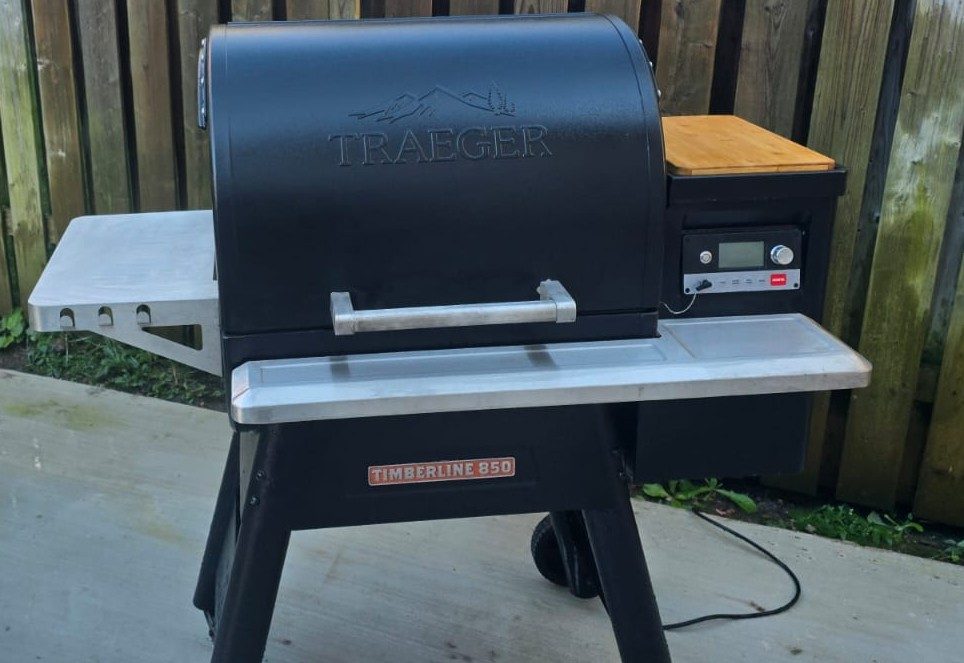
To stop mice in pellet grill barrels and hoppers between cottage visits, scrape out all grease, empty the wood pellets, and pack the grease drain tube and smokestack with 100% copper mesh before you head home.
When you lock up the cottage in Bobcaygeon or Fenelon Falls on a Sunday afternoon, a warm Traeger, Pit Boss, or Weber SmokeFire smells like a five-star hotel to field mice and deer mice. It only takes a gap the width of a dime—about 6 millimetres—for a mouse to squeeze inside. If you leave the grill unprotected for two weeks in Kawartha Lakes or Northumberland, you will often come back to shredded patio chair cushions and sunflower seeds packed around the auger.
Mice Enter Through the Grease Chute and Smokestack
Mice climb up the grill legs or power cord and slip directly through the external grease drain tube, the smokestack cap, or the gap around the lid hinge.
Most cottage owners think closing the heavy steel lid seals the barrel. Look underneath the barrel on the right or left side, and you will see an open metal pipe or trough that drops drippings into the hanging bucket. That pipe is usually 2.5 to 4 centimetres wide. It is an open highway straight onto the drip tray and down into the bottom of the drum.
Mice also climb the grease bucket bail wire, jump from deck railings onto the chimney cap, or squeeze through the fan intake vents underneath the pellet hopper. If pellets are left in the hopper, rodents will try to chew through the plastic clean-out door latch or climb down the auger tube from the firepot.
Block Every Opening With Copper Mesh and Hardware Cloth
Plug the grease chute and chimney openings with tightly rolled 100% pure copper mesh every time you leave the cottage for more than 48 hours.
Do not use regular steel wool. Ontario lake air is damp, and steel wool will rust and leave dark stains on your grill metal and wooden deck within days. Copper mesh will not rust, and mice hate chewing on it because the coarse strands catch on their teeth.
- Cut a 30-centimetre strip of 100% copper mesh (sold at most hardware stores in Lindsay or Cobourg as rodent blocker).
- Roll it into a firm cylinder slightly wider than your grease drain pipe.
- Push it 5 centimetres up into the grease tube from the bottom, leaving a 5-centimetre tail hanging out so you remember to pull it before your next cook.
- Unscrew or lift your smokestack cap and wrap a 6-millimetre (quarter-inch) galvanized hardware cloth collar around the gap, or stuff a second roll of copper mesh into the chimney pipe.
- Take the hanging grease bucket off the hook, dump the foil liner into the garbage, and store the empty metal bucket inside your shed or garage.
- Put a bright painter's tape label over the power switch that says "REMOVE MESH BEFORE STARTING" so nobody turns the grill on with the exhaust blocked.
Empty the Hopper and Scrape the Drip Tray Before Leaving
Remove all food odours and wood pellets before Sunday checkout so rodents have zero reason to explore your deck.
Wood pellets are made of compressed sawdust, and sometimes manufacturers use a tiny amount of vegetable oil to lubricate the dies. To a mouse in Brighton or Trent Hills preparing for an Ontario winter, a hopper full of pellets smells like food and dry bedding.
- Run a 15-minute burn-off at 205°C (400°F) after cooking Saturday night's dinner, then let the grill run through its full 15- to 20-minute shut-down cycle.
- On Sunday morning, once the barrel is completely cold, scrape the cooking grates with a wooden paddle or a nylon scrubbing pad—never use a wire bristle brush on food surfaces, as loose metal bristles can stick to the grates and end up in your food.
- Lift out the grates and scrape all thick grease off the heat baffle and grease trough using a 5-centimetre plastic putty knife.
- Place a 20-litre plastic bucket with a tight-fitting gamma seal lid under the hopper trapdoor, pull the release chute, and drain all unused pellets into the bucket.
- Hold the hopper clean-out button (or prime button) for 2 minutes to clear the remaining pellets out of the auger tube, then vacuum the firepot with a dedicated shop vac. That extra 2 minutes of auger clearing also stops sawdust buildup, which is the main reason we get calls to fix a Traeger temperature fluctuating from ash buildup.
- Wipe the outside of the barrel and hopper lid with warm water and 15 millilitres (1 tablespoon) of mild dish soap to remove smoky thumbprints, then dry with a microfibre towel. Never use oven cleaner on painted or porcelain parts, because it strips the finish and triggers rust.
Clean Up Mouse Droppings Safely If They Got Inside
Sanitize a mouse-soiled pellet grill outdoors using gloves, a N95 respirator, and a 1-to-9 bleach-and-water solution rather than dry-sweeping or using a household vacuum.
Deer mice in cottage country can carry hantavirus, which spreads when dried droppings, urine, or nesting materials get kicked up into the air as dust. Never turn on the grill to "burn it out" while droppings and nests are still inside. Burning rodent waste smells terrible, bakes bacteria carbon into the metal, and can start a severe hopper or grease fire if dry grass is packed around the hot rod igniter.
- Put on nitrile gloves and a snug N95 mask, and wheel the unplugged grill out into an open, breezy part of the yard or driveway.
- Mix 250 millilitres (1 cup) of household bleach with 2.25 litres (9 cups) of cool water in a garden pump sprayer or spray bottle, or use a commercial disinfectant labelled for viruses.
- Spray the nest, droppings, drip tray, and bottom barrel until everything is thoroughly wet, then let it sit for 10 minutes so no dust can rise.
- Pick up the wet nesting material and droppings with paper towels and seal them immediately inside double garbage bags.
- Wash the grates, heat baffle, and interior walls with hot, soapy water, rinse with a garden hose while keeping water away from the hopper electronics, and dry completely.
- Run the clean, empty grill at 230°C (450°F) for 45 minutes with fresh pellets before putting any food on the grates.
Know When to Call a Professional for Wiring or Deep Sanitizing
Call a professional grill technician if mice have nested inside the pellet hopper enclosure, chewed through the wiring harness, or soaked the thermal sensor and auger motor in urine.
Mice love the warm, dark space underneath the pellet hopper where the controller board, fan, and auger motor sit. If you plug your grill in and the screen stays dead, trips your deck GFCI outlet, or throws an immediate Traeger high temp error ER01, rodents have likely chewed the insulation off the Resistance Temperature Detector (RTD) wires or fan leads. Do not run a pellet grill with frayed 120-volt wiring.
And if you also keep a propane or natural gas grill on the cottage deck, inspect the rubber supply hoses every time you arrive. Mice and squirrels chew right through rubber gas lines. If you ever smell gas, hear hissing, or see tooth marks on a hose, turn off the tank valve or main gas supply right away and call a TSSA-registered gas technician in Ontario to replace and pressure-test the line.
When you do not want to spend your weekend elbow-deep in mouse nests and baked-on grease, our mobile team handles full degreasing, steam cleaning, and sanitizing across our service areas, from Ajax and Whitby up through Lindsay, Bobcaygeon, and Cobourg. As of 2026-11, our BBQ cleaning services are $190 for Standard (1–2 burners), $250 for Select (3–4 burners), $340 for Estate (5–6 burners), and quote on request for Premium built-in or luxury units.
If your cottage grill needs a proper reset before your next long weekend, you can book a cleaning online and we will bring our self-contained mobile trailer right to your driveway.
Your questions
Can I just burn off a pellet grill if mice were in it?
No, you should never turn on a pellet grill while mouse droppings, urine, or nesting materials are inside. Dry nests packed near the firepot or igniter rod can catch fire and travel up the auger tube into the hopper, and heating rodent waste bakes foul odours into the metal without removing the physical mess. Always wet the droppings with disinfectant, remove all solids by hand while wearing gloves and a mask, wash the parts with soap and water, and only then run a 45-minute high-heat burn-off.
Do dryer sheets or peppermint oil keep mice out of a BBQ?
No, dryer sheets and peppermint oil evaporate quickly in outdoor Ontario humidity and will not stop a hungry mouse from climbing into a greasy grill. In Fact, mice at the cottage frequently shred dry fabric sheets to line their nests inside the barrel or under the hopper. Physical barriers like 100% copper mesh in the grease chute and 6-millimetre hardware cloth over vents are the only reliable ways to keep rodents out.
Should I unplug my pellet grill between cottage visits?
Yes, always unplug your pellet grill from the deck outlet before leaving the cottage and loop the power cord up off the ground. Unplugging protects the digital controller from rural power surges during storms and prevents electrical shorts or fires if mice chew through the internal wiring harness while you are away.